


Face Liveness Check and PDF Tampering Detection: Strengthening Digital Security
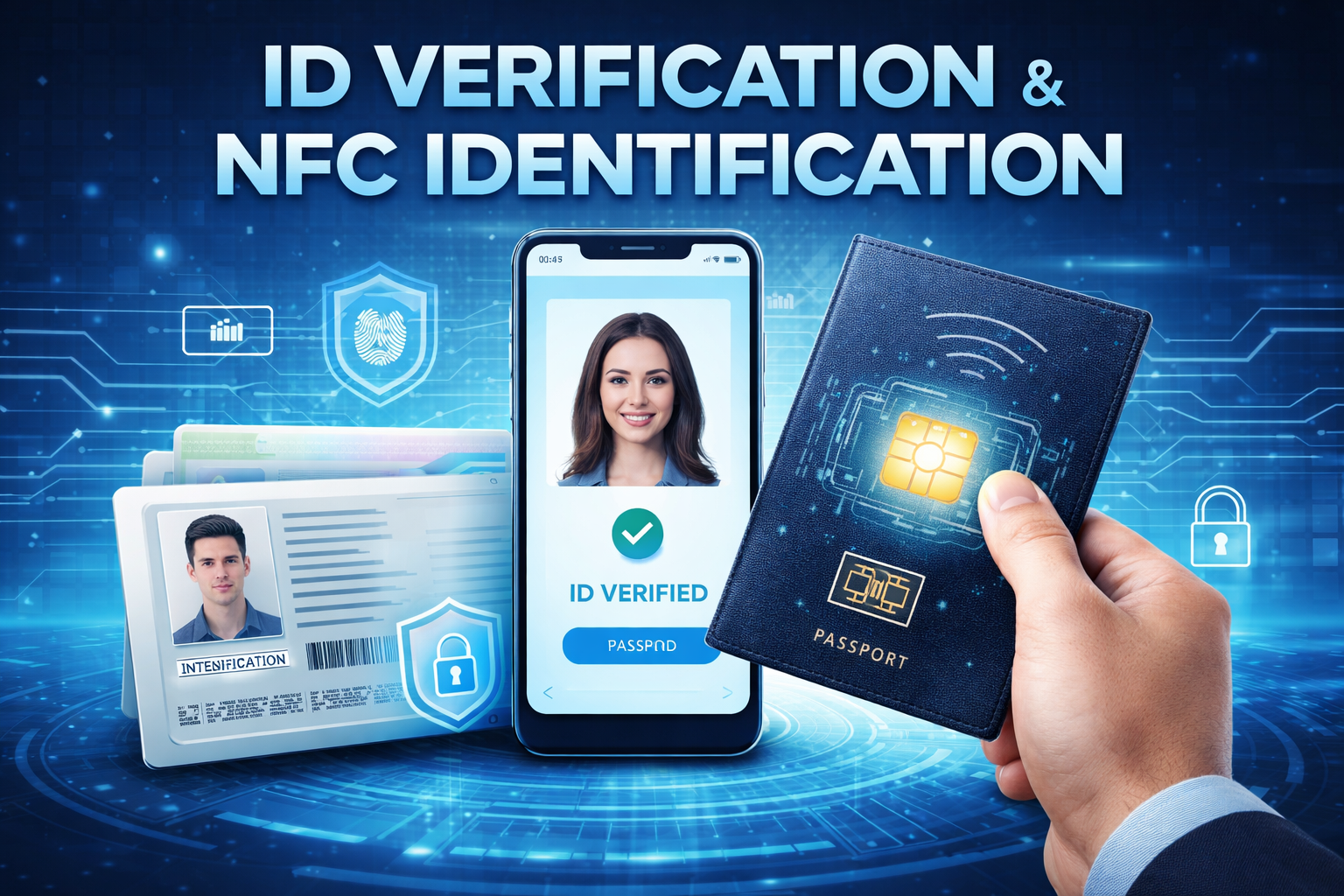
In today's digital-first world, organizations must protect themselves from identity fraud and document manipulation. Two technologies that have become essential for secure digital verification are Face Liveness Check and PDF Tampering Detection. Together, these solutions help businesses verify genuine users and ensure document authenticity, creating a robust fraud prevention framework.
Why Face Liveness Check Matters
A Face Liveness Check is a biometric security process that determines whether a person presenting their face is physically present during identity verification. Unlike traditional facial recognition, liveness detection can identify attempts to use photos, videos, masks, or other spoofing methods.
Businesses across banking, fintech, healthcare, insurance, and telecommunications use face liveness technology to secure customer onboarding and remote verification processes.
Key Benefits of Face Liveness Check
- Prevents identity spoofing attacks
- Enhances customer trust and security
- Supports remote onboarding processes
- Reduces manual verification efforts
- Helps organizations comply with KYC and AML regulations
- Improves verification accuracy and user experience
Advanced liveness detection solutions utilize artificial intelligence and machine learning to analyze facial movements, depth, texture, and behavioral patterns in real time.
Understanding PDF Tampering Detection
Digital documents are frequently shared across organizations, making them vulnerable to unauthorized modifications. PDF Tampering Detection helps identify whether a PDF document has been altered after its original creation.
This technology analyzes document metadata, structural elements, digital signatures, fonts, embedded objects, and content modifications to detect suspicious activities. It is particularly useful for verifying critical documents such as bank statements, utility bills, identity proofs, tax records, and financial reports.
Advantages of PDF Tampering Detection
- Detects unauthorized document modifications
- Verifies document authenticity
- Prevents fraud during customer onboarding
- Reduces risks associated with forged documents
- Enhances compliance with regulatory requirements
- Automates document verification workflows
Organizations can quickly identify manipulated files and take appropriate action before approving applications or transactions.
How Face Liveness Check and PDF Tampering Detection Work Together
Combining Face Liveness Check with PDF Tampering Detection creates a multi-layered fraud prevention strategy. While liveness detection confirms the authenticity of the individual, PDF tampering detection verifies the integrity of supporting documents.
For example, during a digital account opening process:
- The user submits identity documents in PDF format.
- PDF Tampering Detection verifies document authenticity.
- Face Liveness Check confirms the user is physically present.
- The system compares biometric data with document information.
- Verification is completed with enhanced security and accuracy.
This integrated approach significantly reduces the chances of identity theft, document fraud, and account takeover attempts.
Conclusion
As digital transactions continue to grow, businesses need reliable tools to combat increasingly sophisticated fraud techniques. Face Liveness Check ensures that real users are participating in verification processes, while PDF Tampering Detection safeguards document integrity. Together, these technologies provide a powerful solution for secure onboarding, regulatory compliance, and fraud prevention, helping organizations build trust and confidence in every digital interaction.

 English
 Arabic
 French
 Spanish
 Portuguese
 Deutsch
 Turkish
 Dutch
Dutch
 Italiano
 Russian
 Romaian
 Portuguese (Brazil)
 Greek
Greek